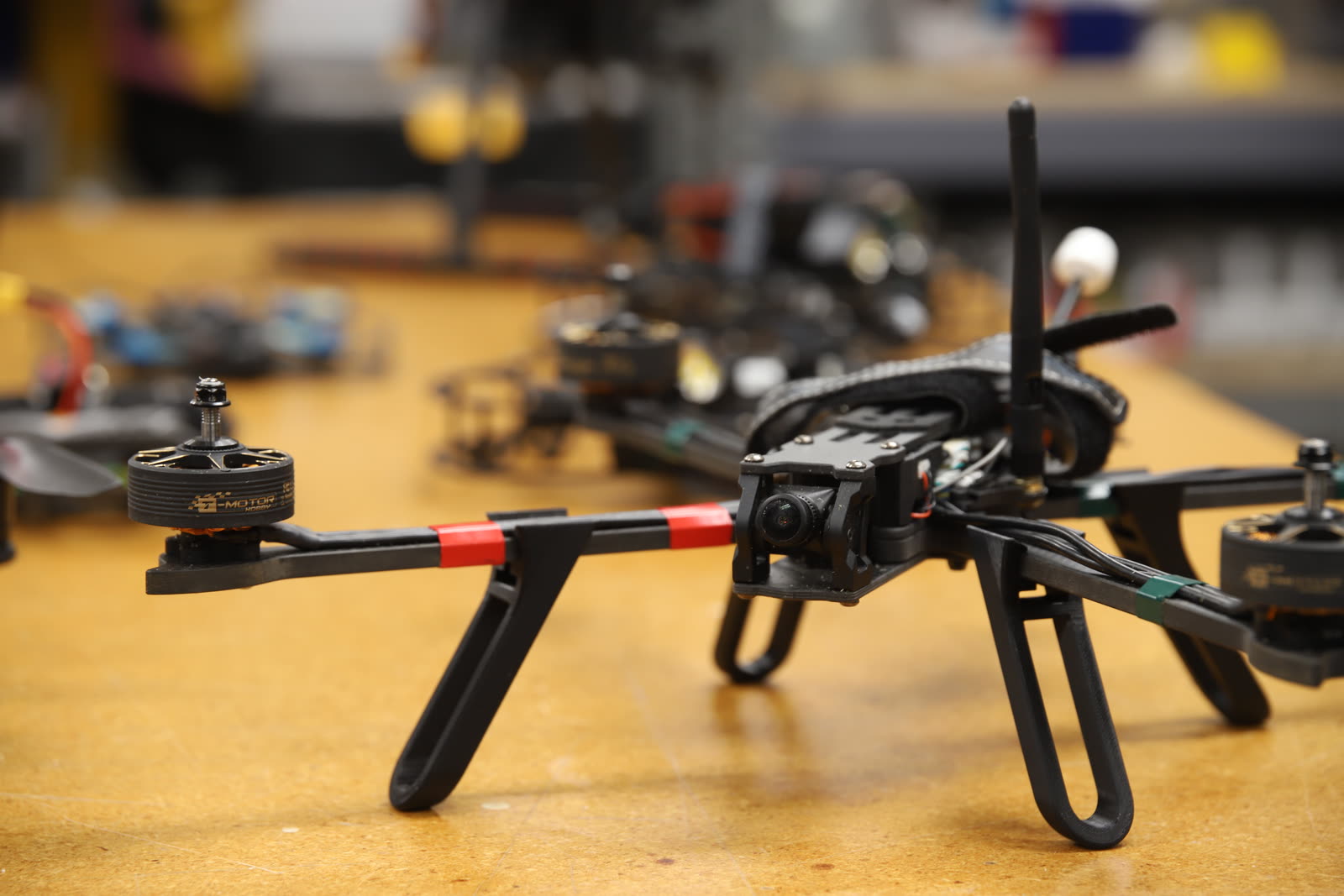
UASDrone / UAS
Fixed-wing and multirotor airframes with flight controllers, GPS, and telemetry. Build your payload, not your aircraft.
A new kind of hardware accelerator. Most programs end with a pitch deck. We end with your product deployed with real operators. Six months, ten teams, pilots on our own customer projects.
The three things hardware founders can't solve alone.
Cold pitches to investors who don't fund pre-pilot hardware. Equity given up before you have proof.
Risk capital structured around reaching deployment, not just prototyping. Warm intros to investors when you raise your next round.
Lab time rented hourly. Field tests organized as one-off favors.
A network of hubs, labs, and test sites built for prototyping hardware in the environments it will actually run in.
A year selling into a single pilot. Bespoke integrations for every customer.
Pilots with industry and government partners. Real deployments that validate your commercial path and de-risk adoption.
Our drone, robotics, sensor, and compute platforms are already deployed in customer environments. Bring your payload, stack, or integration, and start flying, driving, or sensing in a real mission, not a lab demo.
Fixed-wing and multirotor airframes with flight controllers, GPS, and telemetry. Build your payload, not your aircraft.
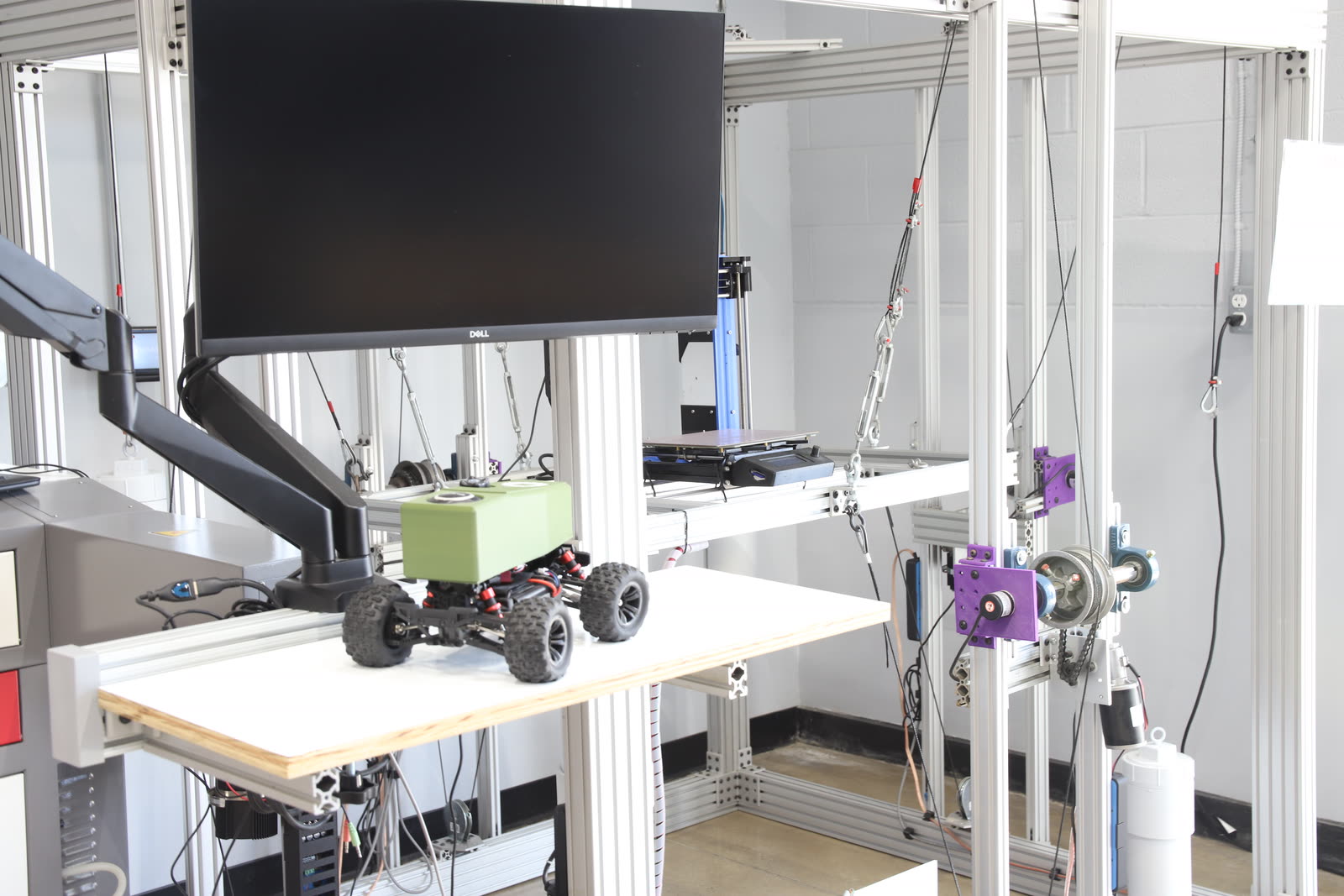
Mobile chassis with LIDAR, IMU, and compute modules. Focus on your autonomy stack, not your drivetrain.
Modular sensor platforms with edge compute. Acoustic, RF, optical, and environmental, ready for your algorithms.
Software-defined radios, mesh networking hardware, and antenna systems. Build your protocol, not your radio.
Ruggedized compute nodes with GPU acceleration. Deploy your models on hardware that survives the field.
Battery management, solar, and energy harvesting platforms. Integrate your product without designing a power stack.
Deployment is the goal from step one, not the reward at the end.
Define your deployment target
Who uses this? Where does it run? What constraints matter? Deployment shapes every decision that follows, so it's the first question, not the last.
Build against real-world requirements
Not just what works in a lab. Hardware, firmware, and software engineered for the environment they'll actually live in.
Validate in conditions that reflect actual use
Hardware, environment, and operational constraints. Bench, lab, and real field sites, including flight ranges, so validation isn't an afterthought.
First live use
Pilot on a real customer project. Continue through initial delivery, iteration, and expansion. You exit the program in operators' hands.
Specifics, not promises. At the end of six months, not a demo day, not a deck.
Running in a real customer environment. Not a lab demo, not a video.
With the customer using your product. Terms documented, not a handshake.
Real cost-per-deployment from the field. Not a slide-deck projection.
Started and documented. FAA, FCC, MIL-STD, or whatever your product needs.
Warm intros to investors who fund deployed hardware, queued for your next round.
You have a working prototype (or close).
You know who should use your product.
Your biggest blocker is getting into a real environment.
If two of these don't ring true yet, come back when they do. We'd rather be direct than waste your time.
Rolling reviews from June 15. Eight-week application window, long enough to put together a real submission, short enough to be a forcing function.
Form goes live at hardlaunch.io/apply.
Strong applications get a call before the deadline. Apply early if you're ready.
Now open23:59 ET. No extensions.
Now open30-minute conversations with shortlisted teams.
Decisions emailed by end of day.
Offer letters signed; cohort roster locked.
Six months in, deployments out.
No spam. No data sharing. Unsubscribe anytime.